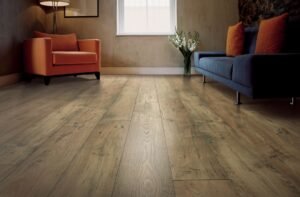
When choosing the best flooring for your home, durability is a key factor to consider. Two popular options that often come up are Luxury Vinyl Tile (LVT) and waterproof laminate flooring. Both have their advantages and unique features, but how do they stack up against each other in terms of durability?
What is Luxury Vinyl Tile (LVT)?
Luxury Vinyl Tile, commonly referred to as LVT, is a type of flooring that mimics the appearance of natural materials like wood or stone. It is made from multiple layers of PVC vinyl, providing flexibility and durability. LVT is known for its realistic designs, easy maintenance, and comfort underfoot.
What is Waterproof Laminate Flooring?
Waterproof laminate flooring is a type of laminate that is specially designed to resist water damage. Traditional laminate flooring is made from a composite of wood particles and resin, with a photographic layer that mimics wood or stone. Waterproof laminate includes an additional protective layer that makes it resistant to water, making it a popular choice for areas prone to moisture, such as kitchens and bathrooms.
Composition and Construction
LVT Construction
LVT flooring consists of several layers, each contributing to its durability:
Wear Layer
The topmost layer, providing resistance to scratches and stains.
Decorative Layer
A high-resolution printed layer that gives LVT its realistic look.
Core Layer
Made of PVC vinyl, offering flexibility and strength.
Backing Layer
Provides additional stability and cushioning.
Waterproof Laminate Construction
Waterproof laminate flooring also features multiple layers:
Wear Layer
A transparent, protective layer that resists scratches and stains.
Decorative Layer
A printed layer that mimics the look of natural materials.
Core Layer
Made from high-density fiberboard (HDF) treated with a water-resistant sealant.
Backing Layer
A waterproof layer that prevents moisture from seeping in.
Water Resistance
LVT Water Resistance
LVT is inherently water-resistant due to its vinyl composition. This makes it an excellent choice for areas exposed to moisture, such as bathrooms, kitchens, and basements. LVT can handle spills and splashes without warping or damage, making it highly durable in wet conditions.
Waterproof Laminate Water Resistance
Waterproof laminate flooring is specifically designed to resist water damage. Its core layer is treated with water-resistant materials, and the seams are tightly sealed to prevent moisture infiltration. While not completely impervious to water, waterproof laminate performs well in areas where traditional laminate would fail.
Wear and Tear
LVT Wear and Tear
LVT is highly resistant to wear and tear. Its wear layer protects against scratches, scuffs, and stains, making it suitable for high-traffic areas. LVT is also flexible, which helps it withstand impacts and heavy furniture without denting.
Waterproof Laminate Wear and Tear
Waterproof laminate is also durable but may not be as resilient as LVT in certain conditions. The wear layer provides good protection against scratches and stains, but heavy impacts can cause the core layer to dent. However, it performs better than traditional laminate flooring in terms of resistance to wear and tear.
Maintenance and Cleaning
LVT Maintenance
Maintaining LVT flooring is relatively easy. Regular sweeping and occasional mopping with a damp cloth are usually sufficient to keep it clean. Its water-resistant nature means spills can be wiped up without concern for damage. Additionally, LVT does not require waxing or polishing.
Waterproof Laminate Maintenance
Waterproof laminate flooring is also easy to maintain. Sweeping and mopping with a damp mop are generally enough to keep it clean. However, it is essential to avoid excessive water, as standing water can seep into the seams over time. Waterproof laminate does not require waxing or polishing either.
Installation
LVT Installation
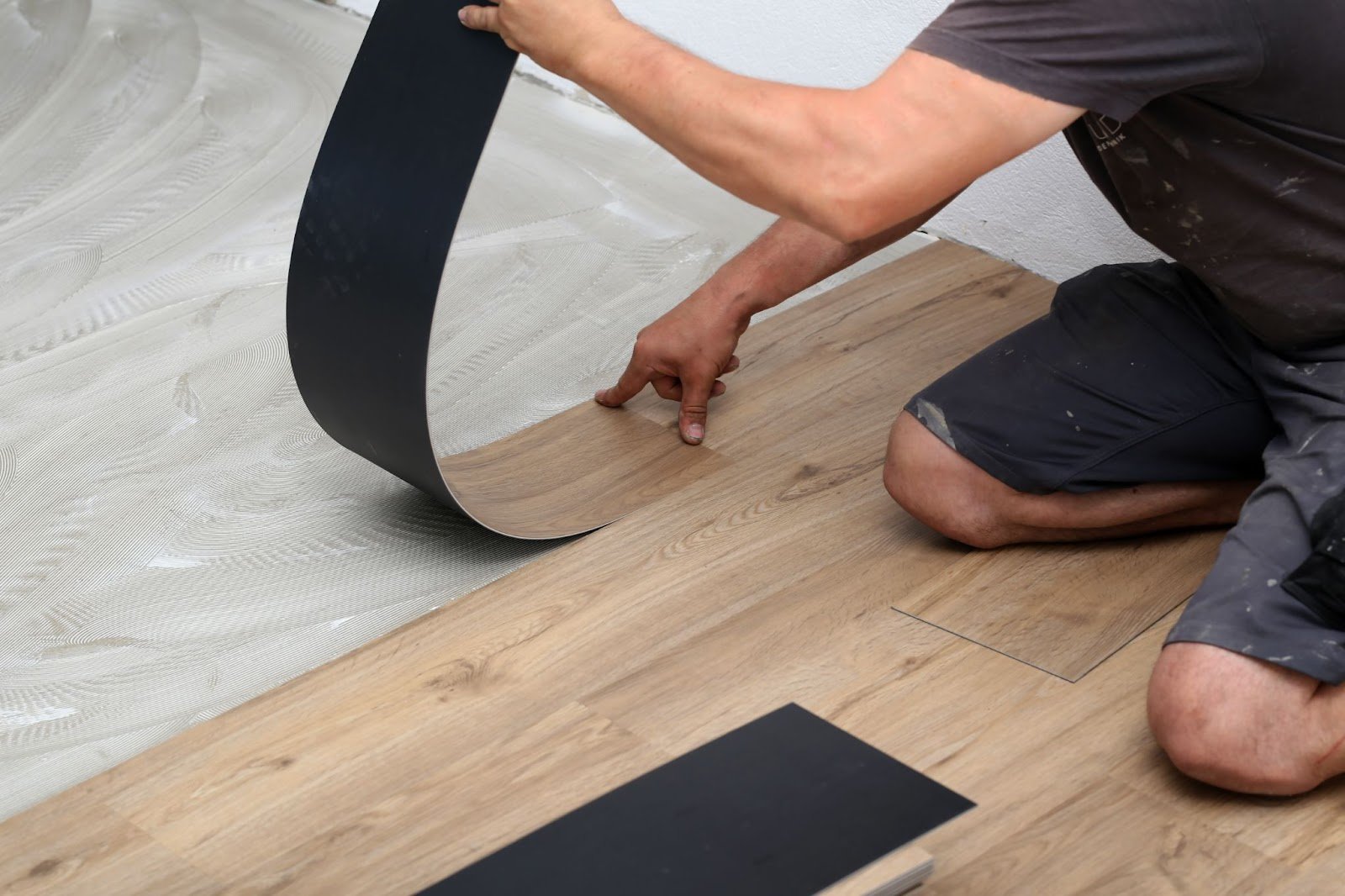
LVT can be installed using various methods, including glue-down, click-lock, and loose lay. The click-lock method is the most popular due to its ease and speed. LVT can be installed over most existing floors, provided they are clean, dry, and level. This makes it a versatile option for renovations.
Waterproof Laminate Installation
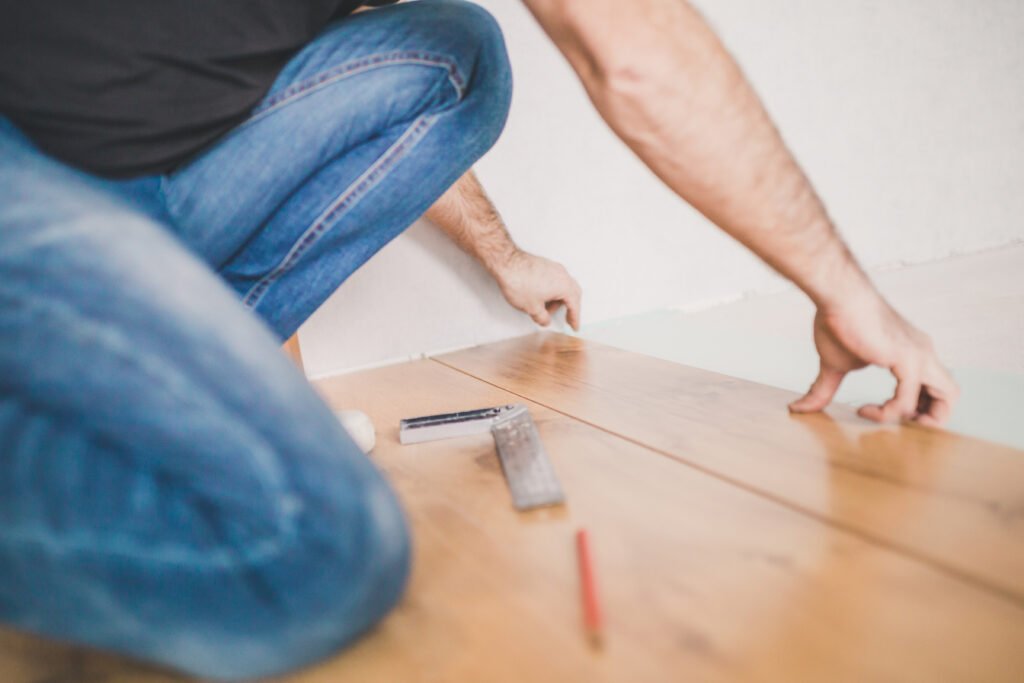
Waterproof laminate is typically installed using a click-lock system, making it a straightforward DIY project. It can also be installed over existing floors, provided the subfloor is in good condition. However, it is crucial to ensure the subfloor is dry and level to prevent issues with the waterproofing.
Comfort and Sound
LVT Comfort
LVT flooring is softer underfoot compared to waterproof laminate. Its flexible nature provides a more comfortable walking surface, and it is quieter, reducing the noise of footsteps. Some LVT products also include an attached underlayment for added cushioning and sound absorption.
Waterproof Laminate Comfort
Waterproof laminate flooring is generally harder underfoot than LVT. It can feel more rigid, which might not be as comfortable for extended periods of standing. However, an underlayment can be added to improve comfort and reduce noise.
Environmental Impact
LVT Environmental Impact
LVT flooring is made from PVC, which is a type of plastic. While LVT can be recycled, the production and disposal of PVC have environmental concerns. Some manufacturers offer eco-friendly LVT options made from recycled materials and produced using greener processes.
Waterproof Laminate Environmental Impact
Waterproof laminate flooring is made from wood fibers and resins, making it more environmentally friendly than LVT. Many waterproof laminate products are made from sustainable materials and are recyclable. Additionally, the production process typically has a lower environmental impact compared to PVC.
Cost
LVT Cost
LVT flooring can vary widely in price depending on the quality and brand. Generally, it is more expensive than traditional laminate but offers superior durability and water resistance. The cost of LVT can range from $2 to $7 per square foot, with premium options costing even more.
Waterproof Laminate Cost
Waterproof laminate flooring is usually more affordable than LVT. Prices typically range from $1 to $5 per square foot. While it may not offer the same level of durability and water resistance as LVT, it provides a cost-effective solution for many homeowners.
Aesthetics and Style
LVT Aesthetics
LVT is known for its realistic designs that mimic natural materials like wood, stone, and tile. The high-resolution printing and embossing techniques create a highly authentic look and feel. LVT is available in a wide range of colors and patterns, offering versatility in design choices.
Waterproof Laminate Aesthetics
Waterproof laminate flooring also offers a variety of designs that mimic natural materials. While the visual quality has improved significantly, it may not be as realistic as LVT. However, waterproof laminate still provides a stylish and affordable alternative with many design options.
Longevity
LVT Longevity
LVT flooring is known for its long lifespan. With proper maintenance, LVT can last 20 years or more. Its resistance to water, wear, and tear makes it a durable option for both residential and commercial applications.
Waterproof Laminate Longevity
Waterproof laminate flooring also offers good longevity, typically lasting 10 to 20 years with proper care. While it may not last as long as LVT in high-moisture environments, it still provides a durable flooring solution for many areas of the home.
Pros and Cons Summary
LVT Pros
- Highly water-resistant
- Realistic designs
- Durable and flexible
- Easy to maintain
- Comfortable underfoot
LVT Cons
- Higher cost compared to laminate
- Environmental concerns with PVC
Waterproof Laminate Pros
- Water-resistant
- Affordable
- Easy to install
- Variety of designs
Waterproof Laminate Cons
- Not as water-resistant as LVT
- Less comfortable underfoot
- Shorter lifespan in high-moisture areas
FAQs
1. How does the installation process of LVT compare to waterproof laminate in terms of complexity and time investment?
The installation process for both LVT and waterproof laminate is designed to be user-friendly, often featuring click-lock systems that allow for a floating floor installation. However, there are notable differences:
LVT Installation
LVT offers multiple installation methods, including glue-down, click-lock, and loose lay. The click-lock system is particularly popular for DIY enthusiasts due to its straightforward process, requiring only basic tools and minimal time. The flexibility of LVT means it can be easily cut to fit irregular spaces, and it can be installed over various subfloors, including concrete, wood, and existing vinyl. Glue-down LVT, while more time-consuming, provides a more permanent solution and is ideal for high-traffic commercial spaces.
Waterproof Laminate Installation
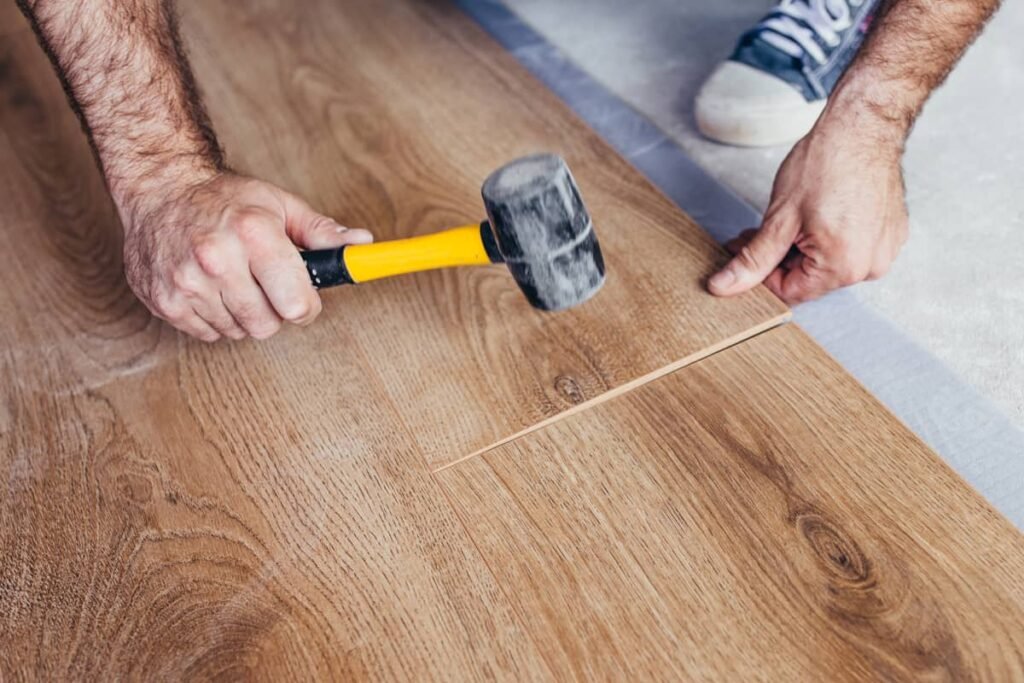
Waterproof laminate also uses a click-lock system, making it accessible for DIY projects. However, the rigidity of the laminate can make it more challenging to cut and fit into irregular spaces compared to the flexible LVT. Ensuring a level subfloor is crucial for laminate installation to avoid issues with the waterproofing and locking mechanism. Additionally, while waterproof laminate can be installed over existing floors, it may require an underlayment to provide a moisture barrier and cushion.
2. What are the long-term maintenance differences between LVT and waterproof laminate, particularly in high-traffic commercial settings?
In high-traffic commercial settings, both LVT and waterproof laminate require regular maintenance to maintain their appearance and performance, but their needs differ:
LVT Maintenance
LVT is highly durable and resistant to scratches, stains, and dents, making it well-suited for commercial environments. Routine maintenance includes regular sweeping or vacuuming to remove dirt and debris, and occasional damp mopping with a non-abrasive cleaner. Due to its water-resistant properties, spills and stains can be easily wiped away without causing damage. For high-traffic areas, periodic stripping and re-coating of the wear layer may be necessary to restore its original luster and ensure long-term durability.
Waterproof Laminate Maintenance
While waterproof laminate is designed to resist moisture, it is slightly less durable than LVT in terms of wear and tear. Regular sweeping or vacuuming is essential to prevent scratches from dirt and grit. Mopping should be done with a damp mop, avoiding excessive water that could seep into seams over time. For high-traffic areas, it is important to promptly address any spills to prevent potential swelling or warping. Unlike LVT, laminate cannot be refinished, so once the wear layer is compromised, replacement of the affected planks may be necessary.
3. How do the thermal properties of LVT and waterproof laminate affect their suitability for use with underfloor heating systems?
The thermal properties of LVT and waterproof laminate differ significantly, impacting their compatibility with underfloor heating systems:
LVT Thermal Propertie
LVT is an excellent conductor of heat, making it highly compatible with underfloor heating systems. Its flexible nature allows it to expand and contract without cracking, ensuring a seamless fit over heated subfloors. LVT’s ability to maintain a consistent temperature helps in providing efficient heat distribution throughout the space. However, it is crucial to follow manufacturer guidelines regarding maximum temperature settings to avoid compromising the adhesive or causing excessive expansion.
Waterproof Laminate Thermal Properties
Waterproof laminate also performs well with underfloor heating systems, though it is slightly less conductive than LVT. The core layer, typically made from high-density fiberboard, provides some insulation, which can result in a slower heat transfer. It is important to use an appropriate underlayment to enhance thermal conductivity and ensure even heat distribution. As with LVT, following manufacturer recommendations for temperature settings is essential to prevent damage to the laminate.
4. What impact does sunlight exposure have on the longevity and appearance of LVT versus waterproof laminate flooring?
Sunlight exposure can affect the longevity and appearance of both LVT and waterproof laminate flooring, though the degree and type of impact vary:
LVT and Sunlight Exposure
LVT is generally more resistant to UV rays, thanks to its wear layer, which often includes UV inhibitors. This protective layer helps prevent fading and discoloration over time. However, prolonged exposure to direct sunlight can still cause some color changes, especially in darker shades. To mitigate this, it is advisable to use window treatments like blinds or curtains and rotate furniture periodically to ensure even exposure.
Waterproof Laminate and Sunlight Exposure
Waterproof laminate is more susceptible to UV damage compared to LVT. The decorative layer, which gives laminate its realistic appearance, can fade or discolor with prolonged exposure to direct sunlight. This is particularly noticeable in rooms with large windows or skylights. As with LVT, using window coverings and rotating furniture can help reduce the impact of UV rays. Additionally, some high-quality laminate products include UV-resistant coatings to enhance their longevity.
5. Can LVT or waterproof laminate flooring be refinished, and how does this impact their overall lifespan and maintenance costs?
The ability to refinish flooring can significantly impact its lifespan and maintenance costs:
LVT Refinishing
LVT cannot be refinished in the traditional sense. Its top wear layer is designed to withstand significant wear and tear, but once it is damaged or worn through, the affected tiles or planks need to be replaced. This lack of refinishing capability means that while LVT is highly durable, its lifespan is ultimately determined by the integrity of its wear layer. Maintenance costs are typically lower, as regular cleaning and occasional replacement of damaged sections are sufficient to keep it looking good.
Waterproof Laminate Refinishing
Like LVT, waterproof laminate cannot be refinished. Its wear layer, while durable, cannot be sanded down or re-coated once it becomes scratched or worn. When the wear layer is compromised, the only option is to replace the affected planks. This inability to refinish can result in higher long-term maintenance costs, particularly in high-traffic areas where damage is more likely to occur.
Conclusion
Both LVT and waterproof laminate flooring offer distinct advantages depending on your needs. LVT excels in water resistance, durability, and realistic aesthetics, making it a superior choice for areas prone to moisture and heavy traffic. However, it comes at a higher cost and may have environmental concerns.
Waterproof laminate flooring provides a more affordable option with good water resistance and easy installation. While it may not match the durability and comfort of LVT, it remains a practical choice for many homeowners.
When deciding between LVT and waterproof laminate flooring, consider the specific needs of your space, your budget, and your long-term expectations for durability and maintenance. Both options can provide a beautiful and functional flooring solution for your home.
Also Read: Top Design Trends in LVT Flooring for 2024