When it comes to home design, the color of your flooring can make a significant impact. It sets the tone for the entire space and can influence the overall atmosphere. With numerous flooring color options available, particularly in luxury vinyl tile (LVT), making the right choice can be overwhelming.
In this comprehensive guide, we’ll explore various aspects of choosing the right flooring color for your home, helping you create a harmonious and aesthetically pleasing environment.
What is the Importance of Flooring Color
Choosing the right flooring color is more than just a matter of aesthetics. The color of your floor can affect the perception of space, light, and the overall mood of a room. Darker colors can make a room feel cozy and intimate, while lighter colors can make a space feel more open and airy. Additionally, the color of your flooring can either complement or contrast with your existing décor, impacting the visual harmony of your home.
Popular Flooring Color Options
Neutral Tones
Neutral tones like beige, gray, and taupe are timeless and versatile. These colors can seamlessly blend with various interior styles, from traditional to modern. Neutral floors provide a balanced backdrop, allowing you to experiment with different wall colors and furnishings.
Light Colors
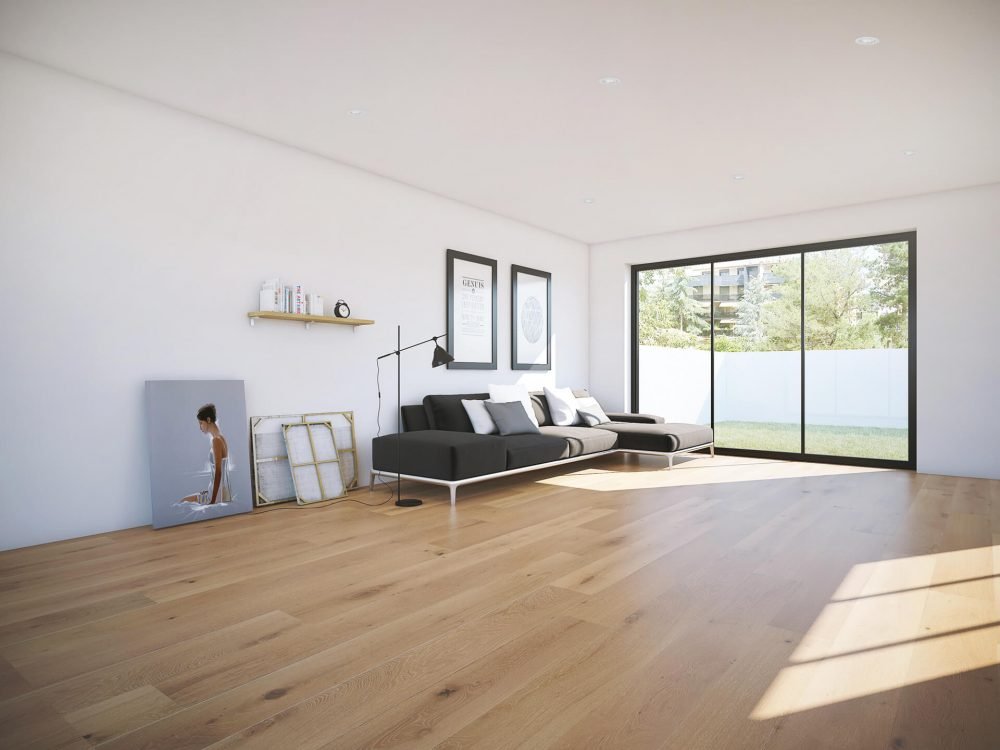
Light-colored flooring, such as white, light oak, and pale gray, can make a room appear larger and brighter. These colors are ideal for smaller spaces or rooms with limited natural light. Light floors also create a clean, contemporary look that can make your home feel fresh and inviting.
Dark Colors
Dark flooring options like espresso, walnut, and charcoal add a sense of elegance and sophistication to any room. These colors can create a dramatic contrast with lighter walls and furnishings, making a bold design statement. Dark floors are particularly suitable for larger rooms, where they can add depth and richness.
Warm Tones
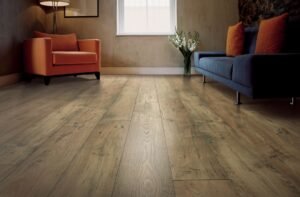
Warm flooring colors, including shades of honey, cherry, and mahogany, can create a cozy and welcoming atmosphere. These colors are perfect for living rooms, bedrooms, and other areas where you want to evoke a sense of comfort and relaxation.
Cool Tones
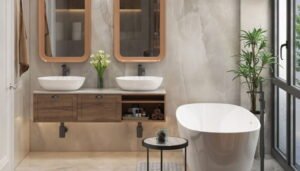
Cool-toned flooring options like blue-gray, slate, and ash are modern and stylish. These colors can create a calm and serene environment, making them an excellent choice for bathrooms, kitchens, and contemporary living spaces.
Matching Flooring Color with Room Function
Living Room
The living room is often the focal point of a home, so the flooring color should complement the overall design and style. Neutral and warm tones work well in living rooms, creating a comfortable and inviting space. If you want a more modern look, consider light or cool-toned flooring.
Kitchen
Kitchens benefit from durable and easy-to-clean flooring. Light and neutral colors can make the kitchen feel more spacious and bright. Dark floors can add a touch of elegance but may require more maintenance to keep them looking clean.
Bedroom
In the bedroom, flooring color plays a crucial role in creating a relaxing environment. Warm and neutral tones are ideal for bedrooms, as they promote a sense of calm and comfort. Light flooring can also work well, especially if you want to create an airy and serene space.
Bathroom
For bathrooms, cool-toned flooring colors can enhance the feeling of cleanliness and tranquility. Light and neutral shades are also popular choices, as they can make the bathroom appear larger and more open.
Home Office
In a home office, the flooring color should promote productivity and focus. Neutral and cool tones are excellent choices, as they create a professional and calming atmosphere. Avoid overly bright or dark colors that might be distracting.
Considering Natural Light and Space
Impact of Natural Light
The amount of natural light in a room can significantly affect how the flooring color appears. Rooms with plenty of natural light can handle darker flooring colors without feeling too enclosed. On the other hand, rooms with limited natural light benefit from lighter flooring, which can help reflect light and make the space feel brighter.
Space Perception
Flooring color can also influence the perception of space. Light-colored flooring can make small rooms feel larger and more open, while dark-colored flooring can add warmth and coziness to large spaces. When choosing a flooring color, consider the size of the room and how you want to impact its perceived dimensions.
Coordinating Flooring with Existing Décor
Complementary Colors
Choosing a flooring color that complements your existing décor is essential for creating a cohesive look. Consider the color palette of your walls, furniture, and accessories. Neutral flooring colors are versatile and can work with various décor styles, while more specific colors like warm or cool tones should match the overall color scheme of the room.
Contrasting Colors
For a bold and modern look, consider using contrasting colors. Dark flooring can contrast beautifully with light walls and furniture, creating a striking visual impact. Similarly, light flooring can provide a refreshing contrast to dark furnishings and walls.
Flooring Color Trends in 2024
Natural Wood Tones
Natural wood tones are making a comeback in 2024. Shades like oak, maple, and hickory bring a sense of authenticity and warmth to any room. These colors work well with a variety of interior styles, from rustic to contemporary.
Gray Shades
Gray continues to be a popular choice for flooring in 2024. This versatile color can range from light ash to deep charcoal, offering a modern and sophisticated look. Gray flooring complements both warm and cool color schemes, making it a flexible option for any room.
Bold and Dark Colors
Bold and dark flooring colors are trending in 2024, particularly in large and open spaces. Deep shades like navy, emerald, and black add drama and elegance, creating a luxurious feel. These colors are perfect for making a statement and adding depth to your home design.
Tips for Choosing the Right LVT Color
Sample Testing
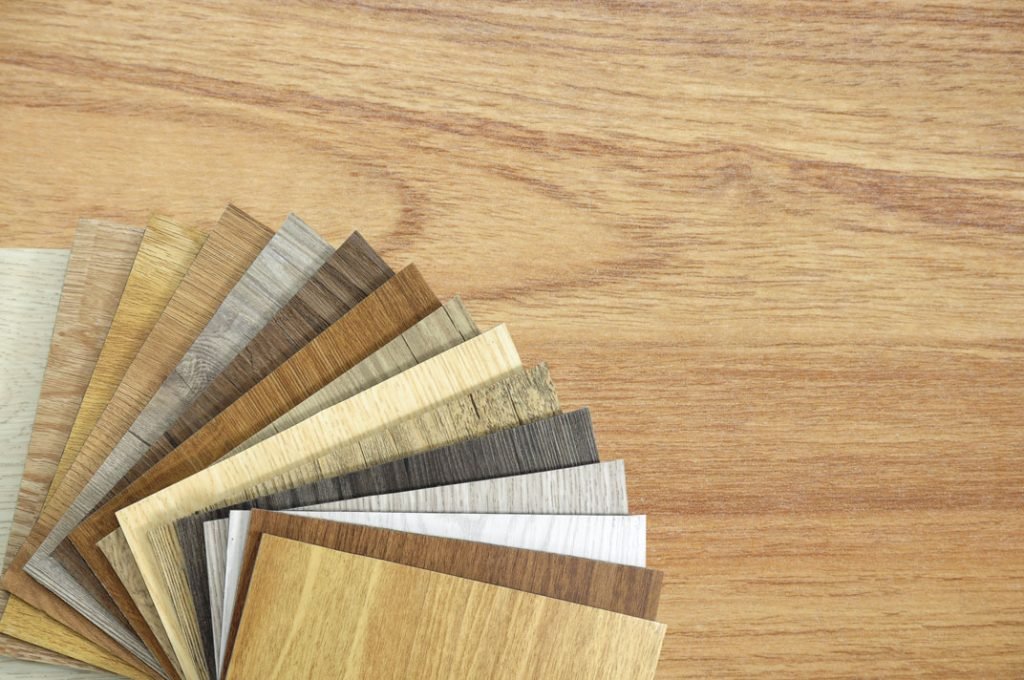
Before making a final decision, it’s essential to test flooring samples in your home. Place the samples in different rooms and observe how they look at various times of the day, under different lighting conditions. This will give you a better idea of how the color will appear in your space.
Considering Future Trends
While it’s important to choose a flooring color that you love, considering future trends can help ensure that your flooring remains stylish for years to come. Opt for timeless colors and finishes that won’t quickly go out of style, ensuring a long-lasting and appealing look.
Balancing Style and Practicality
When selecting a flooring color, it’s crucial to balance style with practicality. Consider factors like maintenance, durability, and how well the color will hide dirt and wear. For high-traffic areas, darker colors or patterned flooring might be more practical, while lighter colors can work well in low-traffic spaces.
FAQs
1. How does the color of flooring affect the perception of space in open floor plans?
In open floor plans, the color of the flooring can significantly influence how the space is perceived. Light-colored flooring can create a sense of continuity and openness, making the entire area feel larger and more connected. Dark-colored flooring, on the other hand, can define distinct areas within the open space, adding a sense of depth and richness. By using different shades or tones within the same color family, you can subtly differentiate areas without disrupting the overall flow.
2. What flooring colors are best suited for homes with a lot of natural light?
Homes with abundant natural light can benefit from a wide range of flooring colors. Darker flooring colors like ebony, walnut, or dark gray can add a dramatic and sophisticated touch without making the space feel too enclosed. Natural light enhances the richness of these dark tones, highlighting their beauty and texture. Light-colored floors, such as white oak, light gray, or bleached wood, can enhance the brightness and airiness of the space, making it feel even more open and inviting.
3. How can I ensure my flooring color choice complements my existing furniture and decor?
To ensure your flooring color complements your existing furniture and decor, start by considering the overall color scheme of your space. Use color swatches to compare with your current decor. Neutral flooring colors like beige, taupe, and gray are versatile and can blend seamlessly with various styles. For more specific coordination, match the undertones of your flooring with your furniture. For example, if your furniture has warm undertones, choose flooring with similar warm hues. Additionally, using area rugs can help bridge any gaps between your flooring and furniture colors.
4. Are there specific flooring colors that are better for hiding dirt and wear in high-traffic areas?
Yes, certain flooring colors are better suited for hiding dirt and wear, particularly in high-traffic areas. Medium to dark tones with a bit of variation or pattern, such as distressed wood, gray, or brown shades, can effectively conceal dirt, scuffs, and wear marks. LVT flooring with textured finishes or patterns can also be very effective in masking imperfections. Avoid very light or very dark solid colors, as they tend to show dirt and scratches more prominently.
5. How can the color of flooring impact the thermal comfort of a room?
The color of flooring can have a subtle impact on the thermal comfort of a room. Dark-colored floors, such as dark wood or tile, can absorb more heat from sunlight, potentially making a room warmer. This can be beneficial in cooler climates or during winter months. Conversely, light-colored floors reflect more sunlight and can help keep a room cooler, which is advantageous in warmer climates or during summer months. This effect is more pronounced with materials like tile and stone, which naturally retain heat or cold.
6. What are the best flooring color choices for creating a minimalist and modern aesthetic?
For a minimalist and modern aesthetic, flooring colors that are neutral and understated are ideal. Light shades like white, light gray, and pale wood tones can create a clean, uncluttered look that enhances the minimalist feel. Cool tones, such as concrete gray or light ash, also work well, providing a sleek and contemporary appearance. These colors serve as a neutral canvas, allowing minimalist furniture and decor to stand out without overwhelming the space.
7. How do I choose a flooring color that will remain stylish and timeless over the years?
Choosing a flooring color that remains stylish and timeless involves selecting shades and finishes that are not overly trendy but have enduring appeal. Neutral colors like beige, gray, and natural wood tones are classic choices that never go out of style. Additionally, opting for natural-looking finishes, such as wood grain or stone textures, can add a timeless quality. Avoid overly bold or unusual colors that may date quickly. Consider the longevity of the material and finish as well, ensuring that the flooring can maintain its appearance and quality over time.
8. How can I incorporate multiple flooring colors in an open-concept home without disrupting the flow?
Incorporating multiple flooring colors in an open-concept home can add visual interest and define different areas while maintaining a cohesive look. One effective strategy is to use complementary colors or shades within the same color family. For example, you could use a lighter wood tone in the living area and a slightly darker tone in the dining or kitchen area. Using transition strips or patterns at the boundaries can create a seamless flow. Additionally, consider using rugs and furniture placement to visually connect the spaces and ensure a harmonious design.
9. What are the best flooring color options for enhancing the architectural features of a historic home?
Enhancing the architectural features of a historic home with the right flooring color involves selecting options that complement and highlight the period details. Rich, warm wood tones like mahogany, cherry, or oak can bring out the elegance of traditional woodwork, moldings, and trim. These colors add warmth and authenticity to the space. Alternatively, classic black-and-white tile patterns or stone floors can emphasize the historic character while providing a timeless appeal. It’s important to choose colors and finishes that respect the home’s architectural heritage while adding to its aesthetic value.
Conclusion
Choosing the right flooring color for your home involves considering various factors, including room function, natural light, existing décor, and current trends. By understanding the impact of different flooring colors and how they can influence the look and feel of your space, you can make an informed decision that enhances the overall design of your home. Whether you prefer neutral tones, bold colors, or something in between, the perfect flooring color is out there waiting to transform your living space into a harmonious and aesthetically pleasing environment.
Also Read: How to Maintain and Clean Waterproof Hardwood Floors