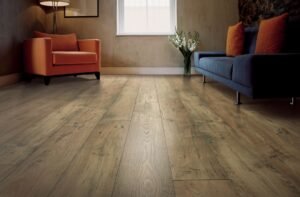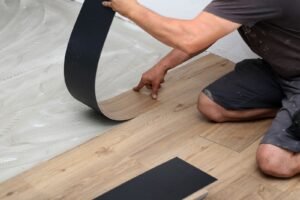
Maintaining and cleaning waterproof hardwood floors can ensure their longevity and keep them looking their best. This detailed guide covers everything you need to know about taking care of your engineered hardwood floors. Follow these cleaning tips and maintenance guidelines to preserve the beauty of your waterproof hardwood flooring.
Introduction to Waterproof Hardwood Floors
Waterproof hardwood floors, often made from engineered hardwood, combine the natural beauty of wood with enhanced durability. These floors are designed to resist water damage, making them ideal for areas prone to moisture, such as kitchens, bathrooms, and basements. Understanding the specific needs of these floors is essential for proper maintenance.
Daily Cleaning Tips
Sweep or Vacuum Regularly
Regular sweeping or vacuuming is crucial to prevent dirt and debris from scratching the floor’s surface. Use a soft-bristle broom or a vacuum cleaner with a hardwood floor attachment to avoid damaging the finish.
Use a Microfiber Mop
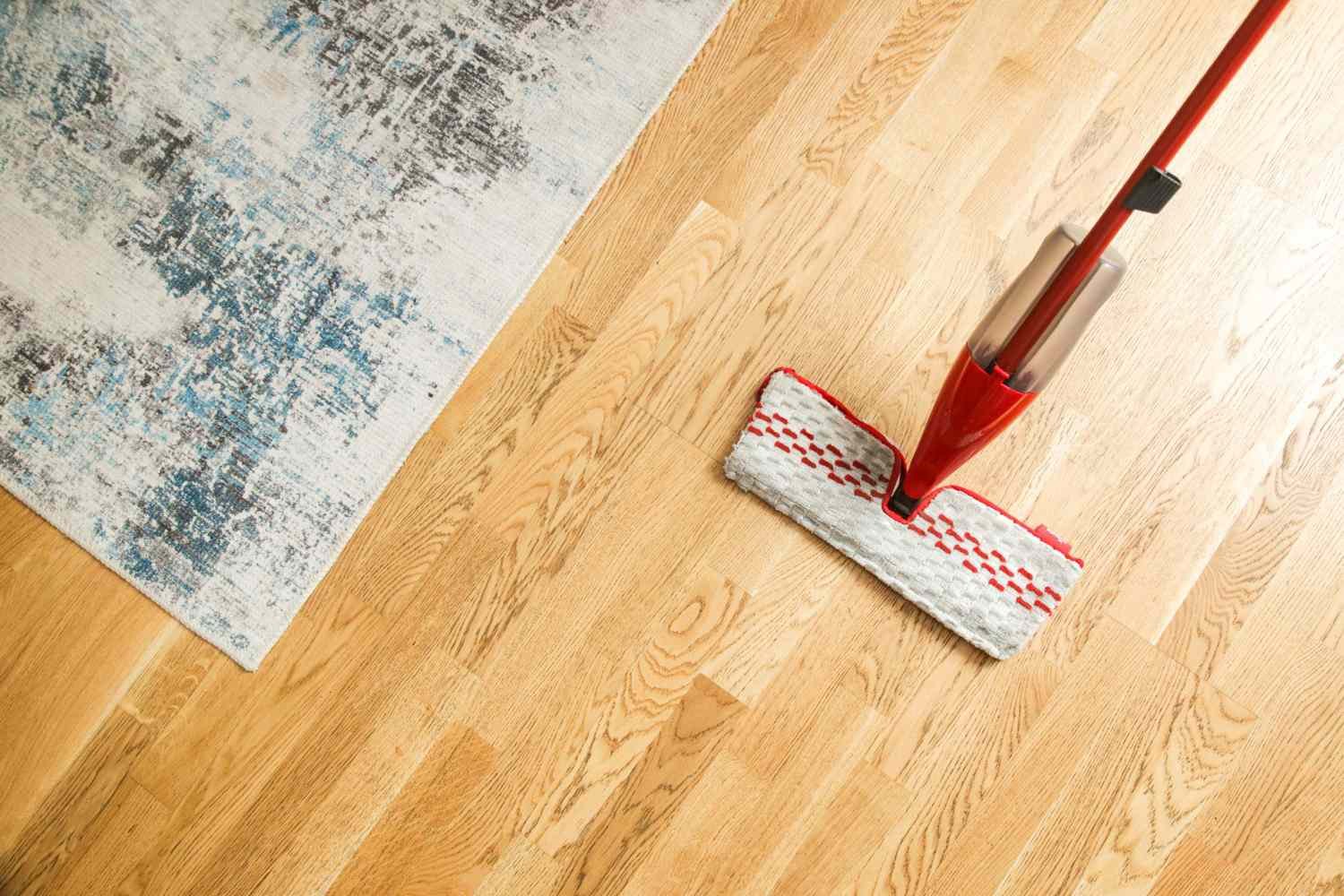
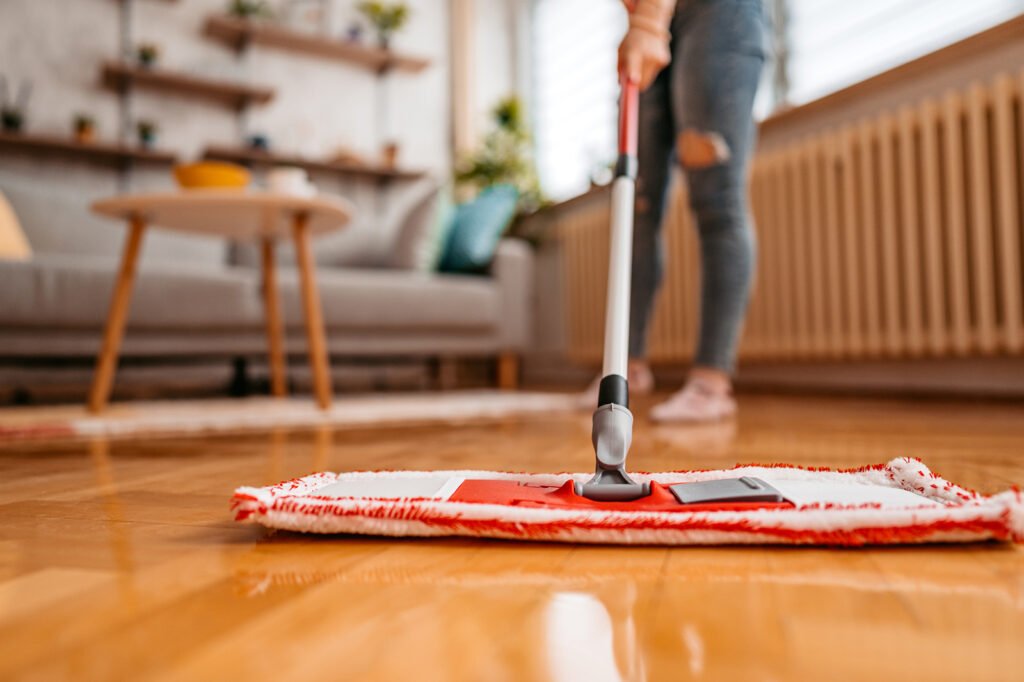
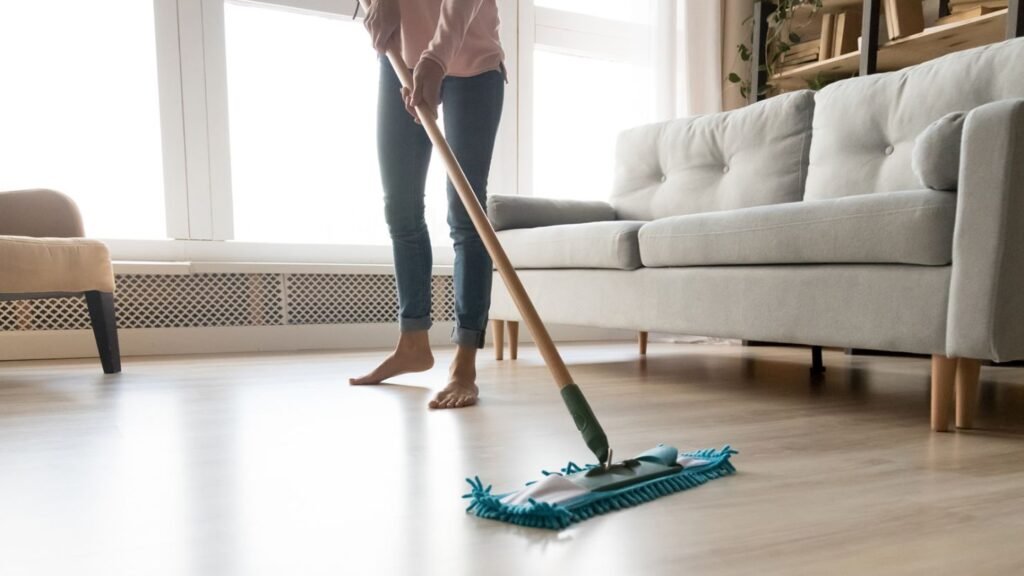
A microfiber mop is an excellent tool for daily cleaning. It effectively picks up dust and dirt without scratching the surface. Make sure to use a dry or slightly damp mop, as excessive water can still harm the floor over time.
Weekly Cleaning Routine
Choose the Right Cleaning Solution
Selecting the appropriate cleaning solution is vital for maintaining waterproof hardwood floors. Use a cleaner specifically designed for hardwood floors, preferably one that is pH-neutral and free from harsh chemicals. Avoid using ammonia-based or bleach-based cleaners, as they can damage the finish.
Damp Mop with Care
When mopping, ensure the mop is only slightly damp. Excessive water can seep into the seams and cause swelling or warping. After mopping, dry the floor with a clean, dry cloth to remove any remaining moisture.
Monthly Maintenance
Deep Cleaning
Perform a deep clean once a month to remove any stubborn dirt or grime. Use a commercial hardwood floor cleaner and follow the manufacturer’s instructions. For tough stains, apply the cleaner directly to the stain and gently scrub with a soft cloth or brush.
Inspect for Damage
Regularly inspect your floors for any signs of damage, such as scratches, dents, or gaps. Early detection allows for timely repairs, preventing further deterioration.
Seasonal Maintenance
Adjust Humidity Levels
Maintaining consistent humidity levels is crucial for the health of hardwood floors. Use a humidifier in the winter and a dehumidifier in the summer to keep indoor humidity between 30% and 50%. This prevents the wood from expanding or contracting excessively.
Refinish When Necessary
Over time, the finish on your hardwood floors may wear down. Refinishing the floors every few years can restore their original beauty and provide an additional layer of protection. Consult a professional for refinishing to ensure it is done correctly.
Preventative Measures
Use Area Rugs and Mats
Place area rugs and mats in high-traffic areas, such as entryways and hallways, to reduce wear and tear. Choose rugs with non-slip backings to prevent them from sliding and causing accidents.
Protect from Furniture Scratches
Use felt pads or furniture coasters under the legs of furniture to prevent scratches and dents. Avoid dragging heavy furniture across the floor; instead, lift and move it carefully.
Avoid High Heels and Pet Nails
High heels and pet nails can cause significant damage to hardwood floors. Encourage family members and guests to remove high-heeled shoes before walking on the floors. Regularly trim your pet’s nails to prevent scratches.
Dealing with Spills and Stains
Immediate Spill Cleanup
Wipe up spills immediately to prevent water from seeping into the wood. Use a dry or slightly damp cloth to blot the spill, then dry the area thoroughly. Avoid using excessive water or leaving the spill unattended.
Removing Common Stains
For common stains like food or drink spills, use a hardwood floor cleaner and a soft cloth. Gently rub the stain in a circular motion until it is removed. For tougher stains, such as ink or paint, consult the manufacturer’s guidelines or a professional cleaner.
Specialized Cleaning Tips
Cleaning Engineered Hardwood
Engineered hardwood requires special care due to its unique construction. Use a cleaner specifically designed for engineered hardwood to avoid damaging the layers. Follow the same general cleaning and maintenance tips, but pay extra attention to the edges where water can seep in.
Dealing with Scratches and Scuffs
For minor scratches and scuffs, use a wood floor repair kit that matches your floor’s color. Follow the instructions to fill in and blend the scratch. For deeper scratches, consider professional repair services.
Enhancing the Longevity of Your Floors
Regular Maintenance Schedule
Adopting a regular maintenance schedule helps in keeping your floors in top condition. Create a routine that includes daily, weekly, monthly, and seasonal tasks to ensure comprehensive care.
Professional Cleaning Services
Occasionally, hiring professional cleaning services can help maintain your floors’ appearance and longevity. Professionals have access to specialized tools and cleaners that can provide a deeper clean than regular household methods.
Common Mistakes to Avoid
Using the Wrong Cleaning Products
Avoid using products not specifically designed for hardwood floors, such as vinegar, ammonia, or wax-based cleaners. These can strip the finish and damage the wood over time.
Ignoring Spills and Moisture
Never ignore spills or allow moisture to sit on the floor for extended periods. Even waterproof hardwood floors can suffer damage if exposed to excessive moisture.
Skipping Regular Maintenance
Neglecting regular maintenance can lead to a buildup of dirt and grime, making the floors more susceptible to damage. Stick to a consistent cleaning and maintenance schedule to protect your investment.
How do you prevent water damage on hardwood floors?
Hardwood floors are a beautiful and durable flooring option, but they are susceptible to water damage. Preventing water damage requires proactive measures and regular maintenance.
Immediate Spill Management
Wipe up spills immediately to prevent water from seeping into the wood. Blot the spill with a dry cloth or paper towel, rather than rubbing, to avoid spreading the liquid and pushing it deeper into the wood. After blotting, use a dry cloth to thoroughly dry the area, ensuring no moisture remains. Additionally, place absorbent mats at all entrances to catch moisture from shoes, and use water-absorbent rugs in front of sinks, dishwashers, and any areas prone to spills.
Regular Maintenance
Regularly cleaning your hardwood floors helps prevent water damage. Sweep or vacuum the floors to remove dirt and debris that can scratch the floor and create channels for water to seep in. When mopping, use a damp (not wet) microfiber mop and a hardwood floor cleaner, avoiding excessive water and ensuring the floor does not stay wet for long periods. Choose cleaners specifically designed for hardwood floors, as harsh chemicals like bleach or ammonia can damage the finish.
Protect from Environmental Factors
Controlling humidity levels in your home is crucial for preventing water damage to hardwood floors. Use a humidifier in the winter and a dehumidifier in the summer to maintain indoor humidity between 30% and 50%. Extreme fluctuations in humidity can cause the wood to expand or contract, leading to damage. Ensure proper ventilation in areas with high moisture levels, such as bathrooms and kitchens, by using exhaust fans. Additionally, regularly seal and finish the floors to maintain a protective layer, and consult a professional to determine the best refinishing schedule based on your floor’s condition and usage.
Preventative Measures
To prevent scratches and dents, which can allow water to seep in, place felt pads under furniture legs. Encourage family members and guests to remove wet shoes before walking on the floors, and use plant saucers to catch water runoff from houseplants, checking them regularly to ensure they are not overflowing. Regularly inspect plumbing fixtures and pipes for leaks, and address any plumbing issues immediately to prevent water from spreading and causing damage.
Special Considerations for High-Risk Areas
In high-risk areas such as bathrooms and kitchens, use waterproof mats in front of sinks and bathtubs to catch splashes. Apply silicone caulking around the edges of bathtubs, sinks, and toilets to prevent water from seeping into the floor. In basements and mudrooms, use dehumidifiers to control moisture levels and consider installing raised platforms or mats to keep floors dry.
Emergency Preparedness
Have a plan in place for floods or major spills. In case of a flood or major spill, act quickly to remove water using mops, towels, and wet/dry vacuums. Contact a professional water damage restoration service if the water damage is extensive, as they have the tools and expertise to dry and restore hardwood floors effectively. Regularly inspect your floors for signs of water damage, such as discoloration, warping, or cupping, and address any damage immediately to prevent it from worsening.
FAQs
1. Can I use a steam mop on waterproof hardwood floors?
No, using a steam mop on waterproof hardwood floors is not recommended. The high heat and moisture from the steam can penetrate even waterproof surfaces, potentially causing damage over time. The heat can cause the wood to expand and contract, leading to warping or swelling, while excessive moisture can seep into the seams and compromise the integrity of the floor. Instead of a steam mop, use a microfiber mop paired with a cleaner specifically designed for hardwood floors. Ensure the mop is only slightly damp to avoid leaving excess water on the surface.
2. What is the best way to deal with pet accidents on waterproof hardwood floors?
Pet accidents should be addressed immediately to prevent potential damage to your waterproof hardwood floors. First, blot the area with a clean, dry cloth or paper towels to absorb as much liquid as possible. Avoid rubbing, as this can spread the liquid and potentially force it deeper into the wood. Next, apply a hardwood floor cleaner specifically formulated for waterproof hardwood. Spray the cleaner on a soft cloth or directly onto the spot, following the product instructions, and gently clean the area in a circular motion. After cleaning, use a dry cloth to thoroughly dry the area, ensuring no moisture remains. If the accident has left an odor, sprinkle baking soda over the spot and let it sit for a few hours before vacuuming it up. Baking soda can help neutralize any lingering smells without damaging the floor. Avoid using vinegar or ammonia-based cleaners, as their strong smell might encourage pets to mark the same spot again and can damage the floor’s finish.
3. How often should I refinish my waterproof hardwood floors?
Refinishing waterproof hardwood floors depends on the level of wear and tear they experience. Generally, floors in high-traffic areas might need refinishing every three to five years, while those in low-traffic areas might last five to seven years before needing attention. Regularly check your floors for signs of wear, such as dullness, scratches, or areas where the finish is worn through. To determine if refinishing is necessary, you can perform the water test by sprinkling a few drops of water on a worn area. If the water beads up, the finish is still intact, but if it soaks in, it’s time to refinish. For a precise assessment, consider having a professional evaluate the condition of your floors. When refinishing, professionals will sand down the surface to remove the old finish and any scratches or dents, then apply a new protective layer. This process not only restores the appearance of your floors but also extends their lifespan.
4. Are there specific cleaning products I should avoid using on waterproof hardwood floors?
Yes, using the wrong cleaning products can damage your waterproof hardwood floors. Avoid using bleach and ammonia-based cleaners, as these harsh chemicals can strip the finish off your hardwood floors, causing them to lose their shine and protective layer. Vinegar, although often touted as a natural cleaner, should be avoided due to its acidity, which can dull the finish and damage the wood over time. Wax-based cleaners can leave a residue that attracts dirt and grime, making your floors appear dirty more quickly and creating a slippery surface. Oil soaps should also be avoided, as they can leave a residue that is difficult to remove and can interfere with future refinishing efforts. Water and steam cleaners can cause excessive moisture to seep into the seams and edges of the floors, leading to swelling and warping. Always use cleaners specifically designed for hardwood floors. Look for pH-neutral formulas that are gentle on the wood and the finish. Many floor manufacturers recommend specific products that are safe for their flooring, so check your floor’s care instructions for the best options.
Conclusion
Maintaining and cleaning waterproof hardwood floors requires diligence and the right techniques. By following these tips and incorporating them into your routine, you can keep your floors looking beautiful for years to come. Remember, the key to preserving the beauty and durability of your floors lies in regular care, prompt spill cleanup, and using the right products.